Introduction to Diarrhea in India
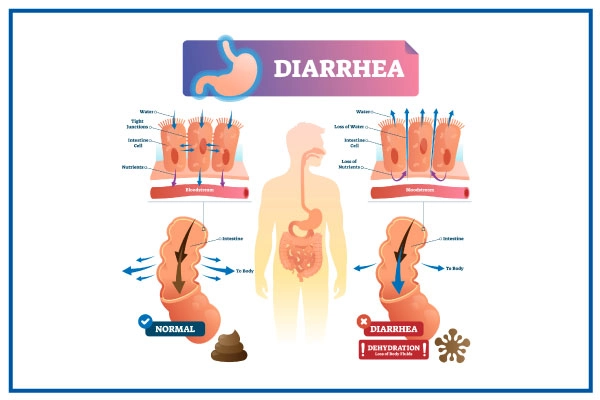
Diarrhea is not just an upset stomach. It means passing loose or watery stools more than three times a day. While it might seem like a mild problem, especially to those who recover in a day or two, the reality is far more serious. In many parts of the world, Diarrhea is deadly, especially for young children and older adults.
What makes it dangerous is not just the illness itself, but how fast it drains the body. Dehydration happens quickly. When the body loses too much water and salt, vital organs begin to shut down. In places with poor access to clean water, toilets, or medical help, this can become life-threatening within hours. Children under five are the most at risk. Their bodies are smaller and can't handle such rapid fluid loss. The elderly, who often have weaker immune systems, face similar dangers.
Here is the good part: Diarrhea is preventable. It's treatable. Yet in many low-income countries, thousands still die from it every day. Lack of basic sanitation, clean drinking water, and awareness keeps the cycle going. It does not have to be this way.
3+
Loose stools/day (definition)
Under-5
Most vulnerable group
ORS + Zinc
Immediate life-saving treatment
Preventable
With water, sanitation & hygiene
What is Diarrhea
Diarrhea means having three or more loose, watery stools in a single day. That is the simple medical definition. But behind those words is a condition that can quickly turn serious if not managed in time.
There are different types of Diarrhea, and knowing the difference helps in treating it correctly. Acute Diarrhea is the most common form. It starts suddenly and lasts a day or two, usually caused by infections or something you ate. Most people recover on their own with fluids and rest. Persistent Diarrhea lasts more than 14 days. It often points to an ongoing infection or another underlying issue. Chronic Diarrhea sticks around for longer than four weeks. This type may be linked to long-term health problems like irritable bowel syndrome (IBS), inflammatory bowel disease (IBD), or malabsorption issues.
Here is the thing: Diarrhea isn't a disease. It is a symptom. It shows that something is not right. Whether it's a virus, bacteria, parasites, food intolerance, or even stress. But just because it's a symptom doesn't mean it's harmless.
When the body loses a lot of water and salts in a short time, dehydration sets in. That is dangerous. Children and older adults feel the impact faster. On top of that, Diarrhea can strip the body of essential nutrients. If not treated, it can weaken the immune system, slow down recovery, or worse, lead to death.
That is why Diarrhea deserves more attention than it usually gets. It's not just a passing discomfort. It can be a warning sign of something serious, and when left unchecked, it can be fatal, especially in vulnerable groups. Recognising the type and acting early is key to staying safe.

Why it matters
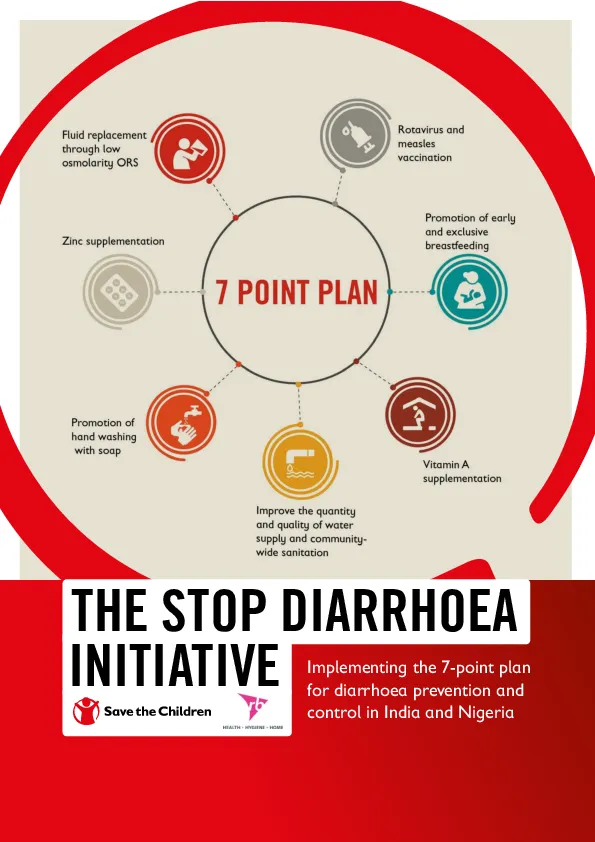
Diarrhea can strip the body of water, salts, and nutrients quickly. Children under five, older adults, and people with weakened immunity lose fluids faster and can develop life-threatening complications within hours if not rehydrated. Prevention (clean water, toilets, handwashing) and rapid treatment (ORS, zinc) are proven to save lives.
Causes of Diarrhea
Diarrhea can happen for many reasons. Some are infectious, others are not. Often, it's the body's way of flushing out something harmful. But to treat it well, you need to know what's causing it.
Infectious causes
Infectious causes are the most common, especially in crowded or low-hygiene settings.
- Viruses like Rotavirus, Norovirus, and Adenovirus are top offenders, especially in children. These spread easily through touch, dirty hands, or contaminated food and water.
- Bacteria such as E. coli, Shigella, Salmonella, and Vibrio cholerae (which causes cholera) can trigger severe Diarrhea, sometimes with fever or blood in the stool.
- Parasites like Giardia and Entamoeba histolytica live in unsafe water and food. These cause longer, often more stubborn infections.
Non-infectious causes
But not all Diarrhea comes from infections. Non-infectious causes are also important:
- Food intolerance, like lactose or gluten sensitivity, can upset the stomach and cause loose motions.
- Medications, especially antibiotics and laxatives, often disturb gut bacteria or speed up bowel movements.
- IBS (Irritable Bowel Syndrome) causes recurring Diarrhea, often linked to stress or certain foods.
- IBD (Inflammatory Bowel Disease), including Crohn's disease and Ulcerative colitis, involves long-term gut inflammation.
- Malabsorption problems, like in celiac disease, mean the body can't properly absorb nutrients, leading to Diarrhea.
- Even stress and anxiety can throw the gut out of balance.
Environmental & social drivers in India
In India, several local issues make Diarrhea more common:
- Unsafe drinking water, especially in rural or flood-affected areas, is a big contributor.
- Poor sanitation, including a lack of toilets and open defecation, spreads germs quickly.
- Weak hygiene habits, like not washing hands after using the toilet or before eating, worsen the problem.
- Street food, often exposed to flies or stored improperly, is a regular source of infection.
Medication & other triggers
Antibiotics can disturb gut flora and cause diarrhea. Laxatives, some antacids, and other drugs are common culprits. Traveller's diarrhea occurs when visitors consume contaminated food or water.
In short, Diarrhea has many triggers. Clean water, better sanitation, and knowing what to avoid can prevent most of them. But catching the cause early is what really makes the difference.
Types of Diarrhea
Not all Diarrhea is the same. It comes in different forms, each with its own cause and level of risk.
Acute watery diarrhea
This is the most common type. It starts suddenly and lasts for a few hours to several days. It's usually caused by infections like cholera or rotavirus. If not treated quickly, it can lead to severe dehydration.
Persistent diarrhea
Goes on for 14 days or more. While it often starts as a regular infection, it becomes harder to treat over time. It can cause weight loss, weakness, and malnutrition, especially in children.
Chronic diarrhea
Lasts for over four weeks. It may come and go or be constant. It's usually linked to deeper health issues like IBS, Crohn's disease, or celiac disease. These require long-term care.
Traveller's Diarrhea
Hits people when they visit new places and get exposed to bacteria or viruses their body isn't used to. Contaminated food or water is often the cause.
Osmotic, secretory & inflammatory
Osmotic: Happens when substances in the gut, like sugar alcohols or undigested lactose, pull water into the intestines. This can happen in people with lactose intolerance or after eating certain artificial sweeteners.
Secretory: Caused by toxins or hormone-related problems. Infections like cholera produce toxins that make the intestines release too much water.
Inflammatory: More serious. It involves damage to the lining of the intestine. This leads to mucus or blood in the stool, often with fever. Dysentery is a common example.
:max_bytes(150000):strip_icc():format(webp)/diarrhea-symptoms-4685391-FINAL-8b5135a9ba1d4f7d928fb425731448ef.png)
Who Is Affected Most by Diarrhea?
Diarrhea does not hit everyone equally. Some groups are far more vulnerable, and for them, it can be life-threatening.
- Infants and young children are the hardest hit. Their bodies lose water fast, and without quick treatment, they can't recover easily. In fact, Diarrhea is still a leading cause of death in children under five.
- Elderly people, especially those with weak immunity or other illnesses, are also at high risk. Their bodies often can't cope with sudden fluid loss.
- Malnourished individuals of any age who have a weakened immune system. They fall sick more often and take longer to recover.
- People with HIV, cancer, or other immune-suppressing conditions face extra danger. Even mild Diarrhea can spiral into something severe.
- Rural, tribal, or urban slum areas often lack clean water and proper toilets. This makes Diarrhea common and hard to control.
- Monsoon season brings a spike in cases. Flooded streets, dirty water, and food contamination fuel outbreaks every year.
So, poor living conditions, weak health, and lack of access to care are the real culprits. Diarrhea might seem small, but for many, it's a daily fight for survival.
Most Vulnerable
- • Children under 5
- • Elderly persons
- • Malnourished people
- • Immunocompromised patients
How Diarrhea Spreads
Diarrhea spreads mainly through the faeco-oral route, which means germs from feces enter someone's mouth, usually through contaminated water or food. Poor hand hygiene after using the toilet makes it worse. In places with open defecation or shared, unhygienic toilets, the risk is much higher. Improper food handling, like not washing vegetables or storing cooked food uncovered, can also spread infection. Flies play a part, too. They carry germs from waste to food. In places like schools or daycares, close person-to-person contact spreads the infection fast, especially among children. Clean hands, clean water, and safe food matter more than we think.
Main Routes
- Contaminated water
- Contaminated food
- Poor hand hygiene
- Person-to-person contact
- Flies and insects
Prevention Keys
- Wash hands with soap
- Drink safe water
- Cook food properly
- Use clean toilets
- Store food safely
Symptoms and Red Flags
Most Diarrhea causes:
- Loose, watery stools
- Abdominal cramps and pain
- Nausea and vomiting
- Fever (sometimes)
- Bloating and gas
But red flags mean it's time to see a doctor:
- Blood or mucus in stool
- High fever
- Dehydration signs (dry mouth, less urine, sunken eyes)
- Fast heartbeat or low blood pressure
- Persistent vomiting or diarrhea >3 days
- Lethargy or irritability in kids
- Ongoing weight loss
Dehydration: the biggest danger
Replace fluids immediately with ORS. Severe dehydration can cause kidney failure, unconsciousness or death.
Dehydration: The Biggest Danger
Diarrhea drains the body fast. Fluids and salts called electrolytes are lost in every stool. Without replacing them, dehydration sets in quickly, especially in kids and older adults. Early signs include dry lips, sunken eyes, low urine, and tiredness. Severe dehydration can lead to kidney failure, unconsciousness, or even death. That's why rehydration is the most important step. Whether it's ORS (oral rehydration solution) or fluids at a hospital, restoring balance saves lives. Don't wait for it to get worse; hydration first, always.
Early Warning Signs
- Dry lips and mouth
- Decreased urine output
- Sunken eyes
- Tiredness and weakness
- Thirst
Severe Dehydration
- Very little or no urine
- Rapid heartbeat
- Low blood pressure
- Confusion or unconsciousness
- Kidney failure risk
Diagnosis and Tests
Doctors usually start with your symptoms and medical history, but when needed, they may order the following tests:
Laboratory Tests
- Stool culture: checks for bacteria like E. coli, Salmonella, Shigella
- Stool ova and parasite exam: detects parasites such as Giardia or Entamoeba
- Rotavirus antigen test: used in children to detect rotavirus infection
Blood & Other Tests
- Blood Electrolyte levels: to check for dehydration and salt imbalance
- Kidney function test (creatinine, urea): to assess organ damage from fluid loss
- Colonoscopy or endoscopy: used in chronic cases to look for IBD, ulcers, or other intestinal issues
These tests help doctors find the exact cause and plan the right treatment.
Treatment and Remedies for Diarrhea
Diarrhea can often be treated at home, but knowing what to do and when to act is key. Treatment focuses on replacing lost fluids, easing symptoms, and addressing the root cause.
A. Immediate Steps:
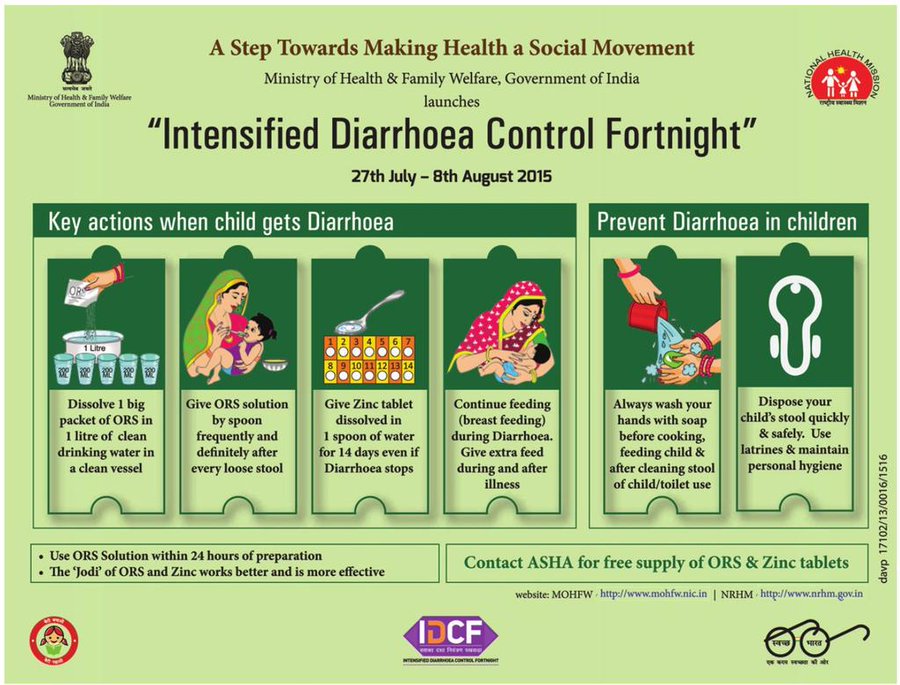
- ORS (Oral Rehydration Salts) - This is the gold standard. It restores lost fluids and electrolytes quickly. Easily available at pharmacies and health centres.
- Zinc supplementation - Especially in children, zinc helps reduce the severity and length of diarrhea. A 10 to 14-day course is often recommended.
- Continue breastfeeding and feeding - Don't stop feeding babies or young children. It gives them strength and speeds up recovery. Breast milk also contains antibodies that fight infection.
- Home rehydration options - If ORS isn't available, salted rice water, light dal water, lemon-sugar-salt solutions, or coconut water can help prevent dehydration. These are especially useful in rural areas or emergencies.
B. Medicines:
- Antibiotics - Only given when a bacterial infection is confirmed through stool tests. Misuse can lead to resistance and harm gut flora.
- Antiparasitics - Medicines like metronidazole or albendazole are effective for parasitic infections, especially in cases of amoebiasis or giardiasis.
- Antimotility agents - Drugs like loperamide can reduce urgency and frequency, but should be avoided in children and used carefully in adults.
- Probiotics - Help rebuild gut bacteria. Can reduce duration of diarrhea and support faster healing.
- Avoid antibiotics for viral diarrhea - They don't help and can lead to side effects like nausea or gut imbalance.
C. Dietary Remedies:
- Follow the BRAT diet - Banana, Rice, Apple, Toast. All are easy to digest and help bind stools.
- Include curds, khichdi, mashed potatoes - Soft, bland foods that are nourishing without irritating the gut.
- Add boiled carrots or steamed apple - Natural pectin content helps firm stools.
- Avoid spicy, greasy, or dairy-heavy foods - They can irritate an already sensitive gut.
- Skip juices and sodas - They add sugar and can worsen dehydration. Stick to plain water, ORS, and light fluids.
When to See a Doctor:
Seek medical help if symptoms last more than three days, if there is blood in the stool, or signs of severe dehydration like dry mouth, sunken eyes, or low urine output. In children and older adults, even mild diarrhea can become dangerous if not treated properly. Timely care saves lives.
Quick checklist
- ✓ Start ORS immediately
- ✓ Give zinc for children (10–14 days)
- ✓ Continue feeding & breastfeeding
- ✓ Seek care for red flags or persistent symptoms
Government Schemes and Support for Diarrhea in India
India faces a high burden of Diarrheal diseases, especially in children. But over the years, several strong public health efforts have aimed to reduce deaths and spread awareness. These programs work at the ground level, combining treatment access, clean water, better sanitation, and health education.
A. Key Programs and Missions
IDCF - Intensified Diarrhea Control Fortnight
Launched by the Ministry of Health, IDCF runs every year, especially during monsoon months when Diarrhea spikes. The focus is twofold: Mass distribution of ORS and zinc to households with children under five, and community awareness drives on hygiene, sanitation, and early danger signs.
NHM - National Health Mission
Under its child health strategy, NHM promotes early treatment, use of ORS, and nutrition support. Health workers are trained to identify and manage Diarrhea at village and sub-center levels.
Swachh Bharat Abhiyan
This mission has significantly reduced open defecation, especially in rural areas. By increasing access to toilets, it cuts down the spread of faecal-borne diseases like Diarrhea.
Poshan Abhiyan
Aimed at fighting malnutrition, this program ensures that children receive proper nutrition. Well-nourished children are better able to fight infections like Diarrhea and recover faster.
Jal Jeevan Mission
This initiative works to provide safe tap water to every rural household. Access to clean water means fewer cases of waterborne diseases, including Diarrhea.
ICDS - Integrated Child Development Services
Through Anganwadi centres, children and mothers receive education on hygiene, nutrition, and disease prevention. These centres also support growth monitoring and supplement distribution.
B. Distribution Methods
To make these efforts work at the grassroots level, the government uses multiple channels:
- ORS corners at sub-health centers, Anganwadis, and primary health centers
- Door-to-door visits by ASHA workers during Diarrhea-prone months
- Deworming drives in schools to reduce parasitic causes of Diarrhea
- Awareness campaigns on handwashing, safe food, and water handling
- Mother-child health cards that track Diarrhea episodes and treatment history
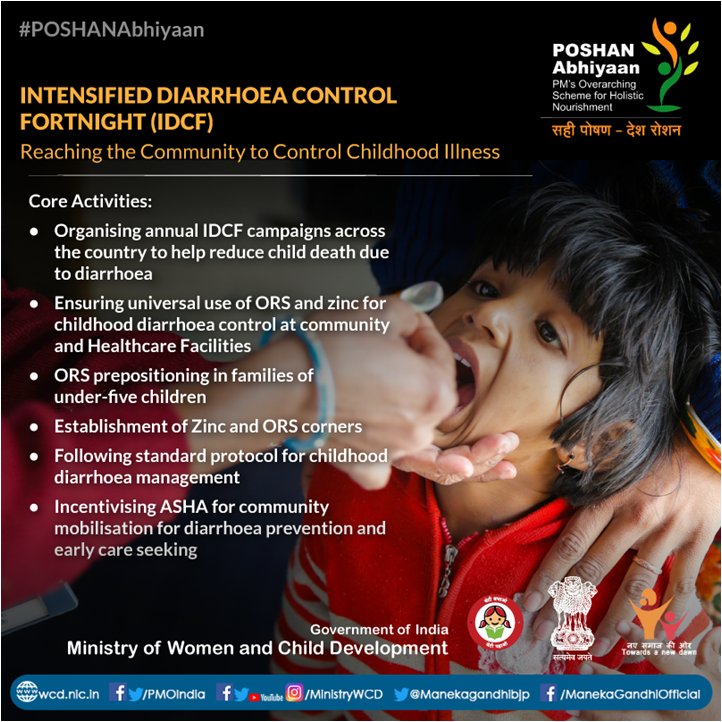
C. Stats and Impact of Government Action
- Under-five Diarrhea deaths have dropped by 50% over two decades. (Based on UNICEF and NFHS-5 data)
- Over 90 million ORS packets are distributed annually through IDCF
- Swachh Bharat Mission (SBM) led to an 80%+ reduction in open defecation
- ASHA and Anganwadi workers are trained to identify and treat Diarrhea early
- Mother and Child Protection (MCP) cards track episodes and interventions
- Special Diarrhea campaigns are run during the monsoon and summer seasons
- Remote tribal regions still face poor access to clean water and healthcare
D. Key Steps in Medical Science in India
- Early 1900s: Indian labs helped isolate Vibrio cholerae during major outbreaks
- 1970s: Oral Rehydration Therapy (ORT) was promoted during cholera epidemics
- ORS added to national Diarrhea protocol; promoted by the Indian Academy of Pediatrics
- 2004: Zinc added to treatment protocol based on WHO-backed Indian research
- Indian pharma developed low-cost ORS and zinc packets for wide access
- Research into probiotics showed benefits for gut recovery post-Diarrhea
- 2016: India launched the ROTAVAC vaccine, now part of the immunization program
E. Major Steps in Bihar, Jharkhand, and Gujarat
Bihar
- Large-scale ORS and zinc distribution through IDCF during Diarrhea-prone months
- ASHA workers conduct home visits during floods and monsoon to distribute ORS and monitor children
- Anganwadi centres run community awareness sessions for mothers on hygiene and early symptoms
- Health staff trained under the National Health Mission to report and manage Diarrhea cases at the village level
- Coordination with the Swachh Bharat Mission to improve water safety and waste disposal during seasonal outbreaks
Jharkhand
- Mobile medical units and health teams reach remote tribal areas for timely diagnosis and treatment
- State-wide deworming drives in schools under National Deworming Day
- Health campaigns promote hand hygiene and sanitation through schools and Anganwadis
- Jal Jeevan Mission works to improve access to clean drinking water in tribal blocks
- ASHAs and community volunteers ensure door-to-door ORS/Zinc distribution during IDCF
Gujarat
- Over 30,000 frontline health workers trained to handle Diarrhea and dehydration in children
- ORS-Zinc corners set up at PHCs and sub-centres to boost treatment access
- Pilot water purification projects were introduced in high-risk rural blocks under the Jal Jeevan Mission
- Mass media campaigns run during the monsoon to push awareness on handwashing, ORS, and clean food
- Anganwadi and PHC-led education drives encourage safe feeding practices and water handling in rural homes
Major News Highlights and Awards for Diarrhea
News Highlights for Diarrhoea
A few major updates on diarrhoeal disease management from across India:
- In May 2024, the Ministry of Health and Family Welfare reported a sharp increase in diarrhoea outbreaks across Odisha, West Bengal, and Uttar Pradesh, linked to early heatwaves and poor water quality.
- The National Centre for Disease Control (NCDC) launched a real-time upgrade of the Integrated Disease Surveillance Programme (IDSP), connecting over 550 district labs for rapid diarrhoea outbreak detection.
- In July 2024, the Delhi Jal Board announced ₹200 crore upgrades to water treatment systems after contaminated supply in East Delhi caused over 3,000 diarrhoea cases.
International Steps in India
- The WHO and UNICEF have jointly supported Intensified Diarrhea Control Fortnight (IDCF) by supplying technical guidance and capacity building.
- The Bill & Melinda Gates Foundation funds local programs focusing on Diarrhea prevention and sanitation in Uttar Pradesh and Bihar.
- USAID has partnered with Indian states on initiatives for improved water, sanitation, and hygiene (WASH) under its WASH program.
- UNICEF India supports child health programs with a focus on ORS and Zinc awareness.
- The Global Handwashing Partnership promotes campaigns in India each year on Global Handwashing Day.
- World Bank has financed sanitation and rural water safety missions, especially in eastern states.
Rural Steps / Initiatives by General Citizens
- Local women's Self-Help Groups (SHGs) run awareness drives and distribute ORS sachets in rural areas.
- Villagers use the Mother-Child Protection Card to track child symptoms and ensure early treatment.
- Village Health, Sanitation and Nutrition Committees (VHSNCs) conduct community meetings to promote hygiene.
- Rural youth perform street plays and puppet shows to spread awareness, especially in tribal belts.
- Many citizens contribute to Swachh Bharat by building toilets and promoting clean water usage.
Recognition & Awards
UNICEF & Government acknowledgements
Frontline health workers and community programmes have received national and international recognition for reducing child deaths through ORS and zinc scale-up.
State commendations
Districts showing sustained reduction in diarrhoeal deaths have been highlighted in national reports and awards.
Additional Recognition
- • UNICEF India acknowledged frontline health workers during IDCF
- • Gujarat highlighted by NITI Aayog for large-scale training
- • Kayakalp Awards to hospitals for clean facilities
- • NGO recognition from FICCI and ASSOCHAM
Community Efforts
- ✓ ASHA-led ORS corners
- ✓ SHG distribution of ORS and awareness drives
- ✓ School-based WASH education and deworming
Past and Present Statistics on Diarrhoea in India
Diarrhoea has long been one of India's top public health burdens. Unlike outbreaks like COVID-19, diarrhoea is a silent killer that strikes year after year-especially in children under five. It remains one of the leading causes of preventable child deaths in the country.
A. Early Years and Persistent Burden
For decades, diarrhoeal disease has contributed to high child mortality. In 1990, diarrhoea accounted for over 13% of all deaths among children under five in India.
By 2010, national programs and access to ORS began improving outcomes. Yet, even then, around 1.2 lakh children died every year due to diarrhea-related complications. Poor water quality, malnutrition, and low awareness were major drivers.
B. National Family Health Survey Data
- The NFHS-4 (2015-16) reported that around 9% of children under five had diarrhoea in the two weeks preceding the survey.
- In NFHS-5 (2019-21), the national prevalence slightly declined to 7.3%, but many states still reported high rates-especially Uttar Pradesh, Bihar, and Odisha.
Access to ORS also improved but remained unequal:
- Only 60.6% of affected children received ORS
- 30.5% received zinc
- Less than 40% got both
C. Government Initiatives and Recent Campaigns
- India launched the Intensified Diarrhoea Control Fortnight (IDCF) in 2014 to reduce child deaths through ORS-zinc distribution and awareness drives.
- As of 2023, the campaign runs in over 600 districts each year, focusing on door-to-door education and supply of treatment kits.
D. Current Situation (2023–24)
Diarrhoea still causes around 1 in 10 child deaths in India. The disease burden is highest in areas with poor sanitation and limited access to clean water.
- Seasonal outbreaks continue during monsoons and floods
- Urban slums and remote rural areas remain the most vulnerable
- Malnourished children face higher risk of severe dehydration
E. Why Diarrhoea Still Kills
- Unsafe drinking water and poor hand hygiene
- Low awareness about timely ORS and zinc use
- Delayed treatment in rural or under-resourced settings
- Repeated infections that worsen malnutrition
Despite progress, diarrhoea remains a serious threat. Ending these deaths needs equal focus on prevention, access, and education.
Conclusion
Diarrhea is both preventable and treatable, yet it still claims lives, especially among young children. Most deaths happen not because of the disease itself, but due to late treatment, lack of awareness, and limited access to care. The government is making steady progress through campaigns like IDCF, Swachh Bharat Mission, and National Deworming Day. But lasting change depends on people. When communities shift their habits. Using ORS, practicing hygiene, and seeking help early, the numbers drop. Mothers, teachers, and frontline workers are the real heroes in this fight. Support them, and we can cut deaths dramatically.
Key Takeaways
- Diarrhea is preventable and treatable
- Early treatment saves lives
- ORS and zinc are life-saving interventions
- Clean water and sanitation are critical
- Community awareness makes the difference
Action Steps
- Know the danger signs
- Keep ORS at home
- Practice good hygiene
- Seek care early
- Support community health workers
References and Resources
Indian Government Resources
- Intensified Diarrhea Control Fortnight (IDCF) - Ministry of Health and Family Welfare
https://idcf.nhm.gov.in/ - National Health Mission - Child Health Strategy
https://nhm.gov.in/ - Swachh Bharat Mission (Grameen) - Ministry of Jal Shakti
https://swachhbharatmission.gov.in/ - Poshan Abhiyan - Ministry of Women and Child Development
https://poshanabhiyaan.gov.in/ - Jal Jeevan Mission - Ministry of Jal Shakti
https://jaljeevanmission.gov.in/ - Integrated Child Development Services (ICDS) - MWCD
https://icds-wcd.nic.in/ - State Health Society Bihar - Diarrhea and IDCF Implementation
https://statehealthsocietybihar.org/ - National Family Health Survey (NFHS-5) - Diarrhea and Child Health
http://rchiips.org/nfhs/
International Health Organizations
- World Health Organization (WHO) - Diarrheal Disease
WHO Fact Sheet - UNICEF India - Diarrhea Prevention and Management
UNICEF India - Centers for Disease Control and Prevention (CDC) - Diarrhea
CDC Resources - Mayo Clinic - Diarrhea
Mayo Clinic - National Institutes of Health (NIH) - Diarrhea
NIH Information - WebMD - Diarrhea Health Center
WebMD - Healthline - Diarrhea Information
Healthline
Take Action Against Diarrhea
Keep ORS at home, seek care early for children and older adults, and support community efforts for clean water and sanitation.